Final Thoughts


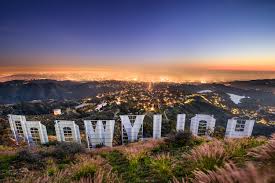
To be completely honest, this course was one of the few classes that I truly enjoyed going to. The course material was intriguing and allowed for personal exploration in my own interest related to the material. For example, after watching La La Land, the idea of the Griffith Observatory overlooking the city of dreams, grabbed my attention. We were given the freedom to explore any topic of interest via the essay. So, I researched, watched videos, interviews, and looked up pictures to get the deepest understanding of what the Griffith Observatory means in the film and to Los Angeles in general. If we weren’t given this specific task of writing an essay, I probably wouldn’t have taken the time to deeply uncover this once mysterious building. 

Definitely a class highlight was watching Mulholland Drive all together in the theatre. There was something so special about all of us sitting in the space together, gasping, jumping, and laughing, as one. When watching the film, parts I thought I understood but near the second half I was completely lost. After reading different analysis of the film, I was finally able to put the pieces together and was utterly impressed. Today I can say that Mulholland Drive was one of my favorite text not only because of the complicated and intriguing plot but because I was able to experience it side by side with my classmates. 

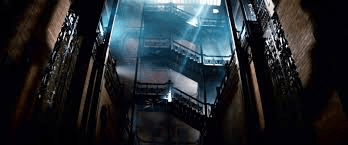
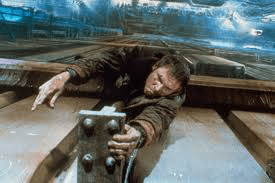
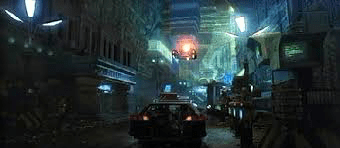
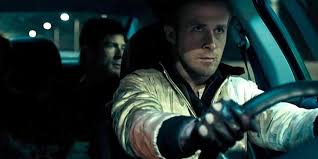
Some of my other favorite texts included Drive as it explores concepts of identity, being defined by one’s occupation, and dehumanization; the nameless driver was labeled by what he does in his car rather than who he actually is as a person. The futuristic elements and brilliant use of the Bradbury Building made Blade Runner another favorite. One of my least favorite text was the documentary viewed in class because it seemed quite repetitive and I feel I didn’t gain any new, invaluable knowledge from it. Lastly, Sunset Boulevard was probably my least favorite film viewed in class because the content was not too involved and the movie felt it was almost dragging on. 

Moving from freezing cold Chicago to this new chapter of my life in California, I held the stereotypical belief of LA being this magical fairytale of dreams coming true. Growing up, listening to music like Party in the USA by Miley Cyrus, I fantasized about what it would actually be like to be part of it all. I can say now that after almost four months of living in California, nothing major in my life has changed except waking up to palm trees and warmer weather. As we discussed in class, people are only being exposed to this glamourous, fashionable, dreamy wonderland where the best parts are advertised. All the poor towns, endless traffic, crowded areas, and painfully high expenses are simply nonexistent to the public. Though, through this FFC course, I slowly was exposed to these realities. Specifically, for example, in the reading All Involved, we learned about the horrifying Rodney King verdict that led to massive riot in LA. Resulting in complete destruction and ruin among thousands, there was absolutely nothing fashionable about it. In fact, we learned about pre-existing gangs that were constantly out for revenge, enacting in violence against one another; even to innocent people who were not involved whatsoever. Where’s the glamour in that? Nonexistent.

Of course my initial conception was exceptionally challenged from dreamy California to the brutal realities; my eyes were definitely opened to the hidden truths that media disguises. Yet, I still truly think that there is nothing wrong with wanting to believe in the dreamy, magical paradise that Los Angeles is portrayed as, as long as one recognizes the other less-spoken about parts that also make California for what it is today. 
All Involved

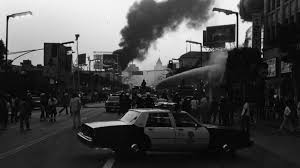
Image result for la riots

In April 1992, the LA riots broke out, resulting in complete destruction and ruin among thousands. Compared to the other 16 perspectives revealed in Ryan Gattis’s All Involved, Ernesto Vero was an outlier. With a considerably optimistic perspective in life, he had one plan in mind: earn enough money to buy a car, drive downtown, and work at his dream job as a Sushi Chef. Unlike his siblings who had ties with gangs, Ernesto stayed away. He tried his absolute best to block out everything that was destroying the people and streets he grew up on. Ernesto did his job: he woke up everyday, worked, came home, and didn’t involve himself.

However, it’s interesting to analyze that although someone like Ernesto was a law-abiding citizen, working hard to achieve his dreams, sometimes things are just inevitable: one’s destiny is inevitable. Ironically, in a quote from Ernesto before death, he remarks, “You grow up in the same neighborhood as me, one with a gun store that sells single bullets for twenty-five cents to anybody with bad thoughts and a quarter, then you might end up the same way” (6). As discussed, Ernesto had absolutely NO engagements with gangs/trouble. Yet, he grew up in poor, underdeveloped, and violent streets, surrounded by guns, drugs, and alcohol from the day he was born. Further, his sibling were both involved; his brother Lil Mosco killed Yesenia, and as revenge Ernesto was tortured to death.

A domino effect begins to be seen by readers: Lil Mosco killed Yesenia, they killed Ernesto in return, then Ramiro was murdered as revenge, and finally Trouble’s gang was attempting to rape/murder Payassa through a surprise attack. There is constant, almost essential need, for comeback and revenge between the gangs. No resolution can be made when both sides want to end up on top, making the last kill on another human from “the other side”.

Image result for la riots

Seeing each of the 17 perspectives is intriguing as they are somehow all involved and connected to one another whether through siblings or being a bystander like Gloria who tried to revive Ernesto from his death. This domino effect is clearly witnessed between all perspectives as one event/death/attack leads to the next inevitable occurrence. All those involved in gangs, are so far “deep” and loyal to their sides, that even if they want to escape and choose a different life path, they are unable due to the threats they would receive. Unfortunately, because there were so many perspectives discussed, readers only got a glimpse into their lives from the outside. Readers weren’t able to fully understand how the people were actually feeling, the thoughts going on inside their head. I’m almost positive though that if that information was revealed, there is little chance that they each wake up every morning with an intention to torture another human, put a bullet through someone’s head, and then hide from society. Yet, in life, tragically, sometimes where you grow up, who your family consists of, friends, and uncontrollable variables guide your life down nearly inescapable rabbit-holes. 

What “Drives” An Identity


The concept of driving has been featured as a main method of transportation for characters such as the Driver in Nicolas Winding Refn’s Drive as well as Easy Rawlins in Devil in A Blue Dress. Specifically, the Driver uses transportation as a means for work such as being an auto mechanic, stunt man, race car driver, or the getaway car. Easy on the other hand uses his car as a means of transportation to get from one place to another. It’s intriguing, though, to not only look at their basic functions and uses for transportation but rather dig into the relating concept of identity. 

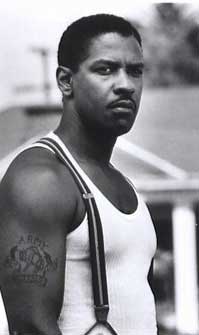
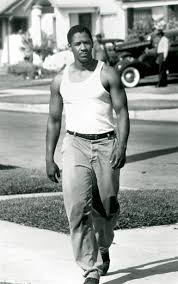
The driver in Drive is defined by what he does, his occupations. Who he is as a person, is directly based on the skills he possess with his car. The driver constantly enacts in violent, dangerous tasks whether being a getaway car or stunt man. Audience members see this vicious, savage identity shine through, almost occupying the entirety of his character. Whether slapping a women, drowning, or torturing others, we see him almost always in this state of aggressiveness and danger. Although this identity he has in the car manifest who he is as a person, it’s fascinating to see that maybe this isn’t everything that he really is. After meeting Irene, audience members see a soft, innocent, sweet glimmer in his personality appear from time to time, developing the plot. For example, in a considerably memorable scene, the Driver takes Irene and Benicio through the LA River Channel. The music begins to swell, everyone’s smiling, and finally he is using his skill/power for good; for what he’s supposed to do. Sadly, this evil identity tied to driving, overtakes this innocent side he truly wishes to hold onto. Such as in the elevator scene after showing his most innocent side by kissing Irene, his most wicked side overrules as he crushes the skull of the man in the elevator. The reality is, as much as he wants to hold onto Irene and what she brings out in him, he can’t. He can’t protect Irene from the things he has to do or his image. Like the scorpion, he is destined, made, and built to just keep stinging.

Image result for drive film

There is so much history to Easy Rawlins that audience members are unaware of outside the frame of the film. His mom died when he was eight and soon after, his father escaped lynching after a fight with a white man. Later in life, Easy served in U.S. Army during WWII. His entire life, he has fought, battled, and forced to use violence for survival. Yet, in Devil in A Blue Dress, Easy is an out-of-work African American, owning his own house, doing whatever he can to make a living. More than anything, he strives for his “innocent” side to rise where he can better himself and the life he lives. Contrasting to how the Driver’s main identity stemmed from the occupations he performed when driving, Easy’s identity was dictated in different environments when driving. In a specific scene when driving Daphne, once he entered the white neighborhood, he suddenly became more cautious, fearful, tense, made small movements, and hardly talked. When he was driving around his own neighborhood, he was relaxed, free, laughing, making big gestures, and playing around with his friends. For Easy, driving could be a means of freedom, escape, and happiness or it could be a life-or-death situation. He was an African American living in 1948 Los Angeles so in his reality, he was destined to face this obstacle-filled life. Similar to how the Driver wanted to be with Irene who brought out his innocence, Easy just wanted to better his life. Yet the roots of his violent past arose, again and again, as he never got a break.

In a sense, the aspect of driving is quite dehumanizing. One is defined by what he does, in his car, rather than who he actually is as a person. Yet, as we have seen through various films, this identity of “I drive” will always manifest itself and overpower the other aspects of what makes someone who they are.

Mulholland Drive

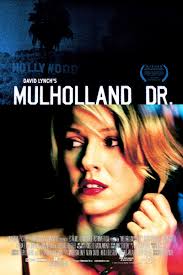
Image result for mulholland drive

Due to Director Lynch’s decision of weaving different genres and themes into the film, Mulholland Drive ignited into a work of postmodernism. Specifically considering the use of hyperreality, a core element to postmodernism, the entirety of the plot exemplified what it means to incorporate exaggerated realism.

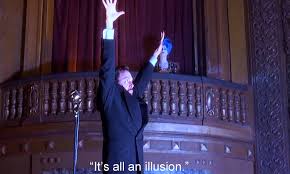
At first glance, the plot appears to be following the story of an aspiring actress, Betty Olms, as she migrates to California while befriending Rita. Yet as viewers are absorbed into their lives, elements of exaggerated realism, dreaming, and unstable psychological states begin to appear. Such as Rita awakens in the middle of the night speaking “silencio”, which leads the two to Club Silencio. The magician onstage constantly points out that the sounds heard are artificially constructed; everything we see is fake. The singer, for example, was emotionally belting out a beautiful piece when suddenly falls to the ground, yet the music continues. Nothing about this scenario is existent rather it is all fabricated. What’s interesting though, is that this scene is not randomly incorporated as a means to simply maximize the plot with no true intent. The magician proposes that illusions are an attempt to emotionally trick the audience and trigger emotional response that we consciously choose to fall for. In Mulholland Drive, Diane Selwyn is dreaming this experience in Club Silencio but as well as the bulk of the plot. She allows herself to plummet into this false reality of living as this blossoming actor, Betty, who is getting casted, succeeding, all while being in a romantic relationship with gorgeous Rita. Specifically for Dianne, the Club Silencio scene is the process of the magician’s message starting to arise into her conscious. Audience members notice this as Betty and Rita tightly grasps onto each each other, holding on for ‘dear life’.

Image result for mulholland drive club silencio

Watching them clench their bodies toward one another in fear, resembles Diane’s vast effort of holding onto this wishful dream world. It is finally a wake up call that she has been reconstructing an artificial life of optimism and success while consciously trying to suppress the fact that this isn’t real.

Fascinating though, the magicians speech is directed not just toward Betty, containing significance to the plot, but to us as well. The audience is fully aware that the different scenes we have been viewing are not real, can’t be real, yet after allowing our emotions to take over, we immerse ourselves into the plot and fall for what we are watching. We feel on edge when noticing the blue hair lady sitting in the balcony of the theatre and our hearts drop as Betty begins to seizure with uncontrollable shaking. Although it’s just a movie and this scene is referring to a dream, the illusion takes over and we let ourselves worry, cry, smile, question, and feel as the plot progresses.

At Club Silencio, we are reminded, as the magician speaks, “It is all an illusion”.

Image result for mulholland drive club silencio

In addition to the Club Silencio scene, hyperrealism is seen consistently throughout the entirety of the film. Whether the cowboy, blue key, bum, Betty’s audition, assasintation of three guys in the motel, or at Winkies, each scene contains an incredible amount of significance and connection to this unconscious dream of living in this artificially constructed world. This use of hyperrealism is what allows audience to view Los Angeles as this distinctly postmodern city. 

not just another building

Producers recently have been leaving the heart of downtown Los Angeles to film elsewhere. Locations such as Atlanta now offer major benefits such as state-of-the-art studios or tax breaks, saving producers millions. Yet, some elements and architectural structures cannot be replicated. Places like the Bradbury Building are remarkable, one-of-a kind structures, that are essential to the core plots of so many films. 

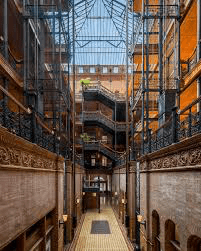
Ridley Scott’s decision of filming in the Bradbury Building, the location where JF Sebastian lived, was quite significant to the film and storyline. Not only did it act as the creepy, spacious home of the toymaker but also the location for the final battle scene between Rick and Roy. 

Although opened in 1893, the Bradbury building was made to resemble a futuristic (specifically for the 2000s), blend of styles, with seemingly endless levels. In fact, the architectural design was directly inspired by the novel, Looking backwards, quoted as a “vast hall, full of light”. In Blade Runner, the building seemed to reflect the original intent/idea the architect had for the Bradbury. The magical, innovative concepts are presented within the walls of the building such as with the walking/talking/moving toys and shafts of light shooting through the glass ceilings. Similar to how the building was originally constructed to resemble this futuristic life, Blade Runner was created around this same concept of living in an advanced society consisting of flying cars and genetically engineered replicants. 

Considering the visual aesthetic of the way the film was shot, several of the scenes were extremely vertical, more than what we have seen before. By specifically shooting in the Bradbury, the scenes were able to conform to this vertical template of the rest of the movie. Further by shooting in this building, the producer was able to utilize several other interesting angles, that provoked different moods and feelings for the viewer. For example, in the final battle scene at the end, the replicant Pris continuously cartwheels and flips toward Rick Deckard. Because the building is so spacious horizontally, the shot is taken from Rick’s perspective; it appears as though she is cartwheeling right at us, which creates instant tension and fear for the audience. When shooting at a vertical shot, and very little is happening, the audience quickly feels suspense, knowing something is going to happen just by the eerie intense shot. 

The building functions as this antiquated, outdated, space yet as described earlier, Blade Runner plays around this futuristic aesthetic. From the outside of the building it appears as this dusty old, grimey, brick office building. Similar to how when you walk around the streets of this city created in the film, there are fires, violence, large crowds, and an inner-city way of life. Yet, when one steps inside, the dust, moving toys, glass ceilings, bands of light, and endless layers now all seem magical; almost like you step into a completely new world. This magical, eerie feel portrayed inside the building perfectly suits the futuristic aesthetic of the flying cars and wealthy colonies living at the top. Analyzing this contrast between this inner-city run-down life (outside of the Bradbury) compared to the futuristic, flying cars, magical, off-colony world (inside the Bradbury) is remarkable. 

Whether being portrayed as a Chocolate Factory for Twix commercials or an office in 500 Days of Summer, the Bradbury Building is a stunning piece of architectural design that simply cannot be remade. Whether modern, upscale, haunted, futuristic, the various elements inside the building such as the iron work and open balconies, truly make it a place of boundless opportunity. 

Los Angeles As A Living, Breathing, Real-Life Creature

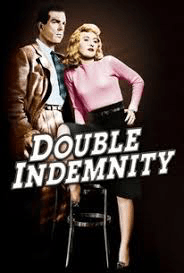
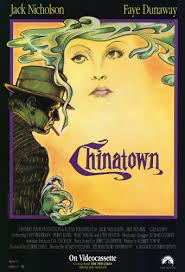
Noir films such as Double Indemnity, and Neo-noir films including Chinatown and Devil in a Blue Dress, illustrate the different themes and film techniques that are represented by the noir genre.

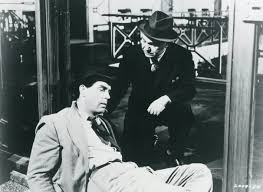
Double Indemnity had a unique set-up in comparison to the other films. From the first scene, viewers already know what has happened: Walter confesses on an office dictation machine that Barton was correct in believing that the accident was a murder. In fact, Walter admits to doing it for “money and a women”, which failed miserably. Now that viewers are fully aware as to who is responsible for this so-called murder, they watch the film with an outer perspective, watching the story unfold. Further, audience members see different elements of noir come up consistently throughout. There is of course a male detective who attempts to uncover this “accident”, yet always seem unsuccessful. Additionally, an alluring women, Phyllis, uses her sensuality toward Walter to plot out a way to kill her husband, with intentions to receive heaps of money.

“Because the guy you were looking for was too close. Right across the desk”

In the very last scene, Walter asks his best friend/boss to give him time as he escapes over the border, but soon his legs give out and he collapses.
Black and White High Contrast Of Lighting

From this one scene, viewers see noir topics of smoking, black and white high contrast, and a sense of pessimism as the main character dies. Yet, it’s arguable to say that the “no happy endings” element of noir may not have held true in this film. Specifically analyzing the concept of smoking, at the very end Keyes lights Walter’s cigarette and tells him “Closer than that, Walter”. Walter proceeds to say, “I love you too”. Audience members already knew from the very beginning that Walter’s destiny was not looking up. Surprisingly though, the film ended with a twist; it turned upward, in a bitter sweet, more positive ending. Keyes and Walter remain loyal to one another and illustrate their incredibly strong friendship in the last scene as Keyes’s light his cigarette and they share their final words with one another.

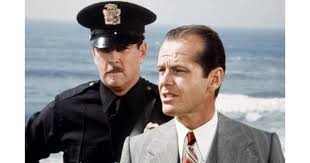
Chinatown, on the other hand, begins with a fully zoomed-in shot of photos of a man and women having sex, with no context mentioned. Soon, the camera zooms out and viewers learn that these are photographs. As illustrated from this very scene, unlike Double Indemnity, viewers have no idea as to what’s happening. They must wait for the camera to zoom out to realize that those images were photographs; they must sit tight and be disoriented/thrown off at times, as they follow along the mystery from Gittes’s point of view. Considering the noir elements of this film, viewers see the use of male detectives, smoking, and corruption. Diving deeper into the neo-noir elements, there was a shift to the sociological horrors faced during the time period. There was little focus on someone “going crazy” or being “mentally insane” and rather discussion about the world around the characters and systemic evils that existed at the time. Jake attempts to uncover this conspiracy but continues to get shut away because the people responsible are in such high power.

When Jake was asked what he does for the police, he responds “as little as possible”. Later in the movie, Eveyln is killed, and Escober says to turn them all loose, releasing Noah Cross from his land scheme and murder of Horace Mulwray.

Jake speaks the incredibly famous quote, “Forget it, Jake. It’s Chinatown”.

Jake comes to terms that one can’t change things in this world, especially when something is rooted so deeply into the system. Everything is for the most part, predetermined, which is common in noir. Jake accepts that he can’t control or change the futility, injustice, and darkness that hides in the depths of the system of society. 

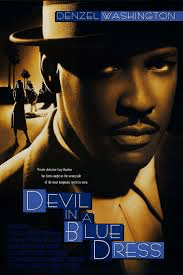
Lastly, A Devil in a Blue Dress, brings in a completely new element of neo-noir, different from the previous two films: Race. Around the 40s, there were very few African American roles, and those who were lucky enough to land a role, played servants/slaves/cooks/performers with very stereotypical representations. A Devil in a Blue Dress “documented” the invisible black film world to the public. Though, It’s saddening to analyze how main character Easy Rawlins’s behaviors and attitudes were changed in different settings. For example, when he’s driving around his own neighborhood, he’s joking around with his friends, laughing.

When driving with Daphne in the passenger seat, in an old white neighborhood, viewers immediately see a shift in his body language. He suddenly turns fearful, tense, and focused. After Daphne asked if he was nervous, Easy responds, “I’m not scared, I’m stupid”. Any big gestural movement or hint of being a threat, Easy could immediately be arrested, even killed. Although it’s extremely disheartening to watch scenes like these, it’s essential to understand this racial tension that persisted years ago and consider how it has changed or developed over the years. 

The urban landscape of Los Angeles plays a central role in each of the films. In Double Indemnity, the plot always seemed to thicken while in some form of transportation. Such as, when driving in the car, Walter chokes Mr. Dietrichson to death. In Chinatown, Los Angeles takes on a very pessimistic role. LA is described as a desert, with water over it; water resembles power and whoever has control of it, subsequently has the money and power in society. Viewers see violence and corruption that is unavoidable and inevitable because of the way society is set up due to the landscape of Los Angeles. For a Devil in a Blue Dress, different environments, whether being at his house in his neighborhood surrounded by other African Americans or in a predominantly white areas, Easy had to conform into different identities for his own safety. 

We can read the city as a central character in the films because although Los Angeles is a singular place, one that doesn’t significantly change everyday, it plays a completely different role in each film. While watching these films we must ask ourselves questions about LA such as the following: what does it look like, how does it affect the plot? Once we actually think about Los Angeles as a living breathing real-life creature, we are able to read it as such.

Blog #3: Dissecting the Glamour of Hollywood

Although film and media invent and fabricate this concept of glamour in Hollywood, it is all just a simple illusion. The public only see the smiling celebrities, black limos, red carpets, and extravagant parties. They don’t truly have any insight into what actually happens, behind closed doors, away from the cameras. 

When watching Sunset Boulevard, audience members quickly observe Norma Desmond’s sumptuous home, filled with expensive furniture. Viewers immediately get a taste into the glamour and glitz that exist in Norma’s home and further in the movie industry. When Nora’s time on the screen has passed, she is no longer of the same relevance in Hollywood. As the movie industry sees it, she grew old and no longer is the same beautiful, talented, actress drawing in profit; therefore she is dropped. Typically when people work years in a company, they end up quitting at a certain age for retirement. In Hollywood however, as you progress through different stages of life and the viewing rates go down, you instantly become irrelevant. That brutal truth definitely isn’t expressed in social media pictures; it’s all an illusion. The public only sees the best parts of their lives, the parts that Hollywood chooses to show, in media. In Sunset Boulevard, after her time being “up” Norma completely loses all sense of reality to the point where she even kills another human being and can’t even process or understand what she did. There’s simply nothing glamorous about that.

In, “A Table At Ciros”, Jenny blew off her Saturday night plans with Bill, to attend the Ciro with Nathan. She describes her experience as, “it seemed to her that everybody in the room must be saying, ‘There goes A.D. with another one.’ But she tried to smile, tried to be having a terribly good time, thinking, If I want to be an actress, this is part of the job” (277). Jenny plasters on a smile with bright eyes, pretending to have a wonderful evening, when she could have been with Bill. Along with the countless other actors/actresses trying to achieve fame/riches, personal happiness is sacrificed first to get ahead. She puts her job and desire to “make it” in the industry before her own personal emotions. Forcing oneself to do something they don’t want to do is the norm and acceptable in the movie industry. In fact it’s expected to put oneself second and do whatever they can to get ahead. 

This directly relates to yet another concept in Sunset Boulevard. Audience members watch Norma undergo intense beauty treatments as she thinks she’s making a comeback to the screens. Facials, massages, waxings, etc.the list goes on as to what Norma will undergo in hopes to be considered beautiful. Unfortunately, this is not far from today’s reality, specifically in Hollywood. To become “more beautiful”, as demonstrated by the movie industry, in society’s standards with hopes of achieving riches and fame, people “must” go as far as plastic surgery or starving themselves. Clearly, extreme measures are being met to achieve this definition of success. 

Hollywood culture facilitates Norma Desmond’s delusions because Hollywood gave her heaps of money and allowed her to live in this fantasy-land for some time. She was so accustomed to her old glamorous lifestyle that when it suddenly was all over, delusions were just one of the coping mechanisms she experiences. Further, Hollywood culture facilitate Ira’s immorality. He becomes successful rapidly, and the fame quickly gets to his head, neglecting his sanity. The text describes, “Voyd’s mother ran in and found her husband beating the still unconscious son with a series of towels” (135). Similar to Norma, Ira also loses complete touch with reality. Whether consuming aspirin tablets several times a day or drinking nonstop, Hollywood culture changes Ira in ways that bring out his immorality. It’s interesting to observe through the film and readings that Hollywood can create some stars, but it can also bring out the worst in most.

Scrolling through celebrities Instagram feeds or watching Hollywood movies, the public easily labels Hollywood as this place of glamour and luxury. Yet films like Sunset Boulevard and text like “A Table at Crico’s” are beginning to debunk this illusion. Living on “that side”, in Hollywood, isn’t rainbows and sunshine. It’s sacrificing personal happiness, risking being dropped from the industry at any time, and worrying endlessly about the way you look. Unfortunately in today’s society though, this is all strictly hidden from the public so that Hollywood’s imaginative, innovative, dreamy fantasy-land continues to persist. 

Singin’ In The Rain

Singin’ In The Rain was one of my top choices for movies because this particular film is very famous and talked about, specifically in the dance world. Currently, I’m a dance major, eventually hoping to pursue a career in the entertainment industry.

Almost the entire basis of the film centers around this extremely “old-fashioned” Hollywood. The characters themselves so perfectly fit the stereotypical film industry. For example, Don Lockwood being this extremely handsome, tall, dark-haired man, leaves everything behind with a great dream: to leave the Midwest, overcome all odds, and become a movie star. This clearly screams typical hollywood film plots. Further, continuing with this premises of the movie being centered around old-fashioned Hollywood, show business is displayed as this very glamorous, high end, almost unattainable, other way of life. From the fancy movie showings of people in crazy expensive clothing, to limos, to red carpets, and extravagant parties, the glitz and glamour of the motion picture industry is highlighted and emphasized greatly throughout the movie. 

Yet, it’s extremely interesting to consider that although this stereotypical Hollywood filled with endless luxurious is clearly present throughout the film, the plot and message strays away from this concept. Specifically near the end, the director had a single choice: continue masking this scandal of Kathy singing to make heaps of money, or do the morally correct thing. In old-fashioned Hollywood, directors and producers would only be thinking about money and their image. So, most likely Kathy would have to continue singing for Lina in the shadows, off-screen, behind the curtain.

 In the very last scene however, after premiering the musical of Duelling Cavalier, the audience raved for Lina to sing live. As per usual, Kathy was placed directly behind the curtain and given the microphone. Shockingly, Don and the directors opened the curtain slowly, revealing the true talent behind the voice. Making the ethical choice was prioritized before any profit or thought about the company’s future. 

This decision not only contrasted the glitzy glamour stereotype of Hollywood but actually shed positive light onto the movie industry as a whole. Lina being able to retain her image at Kathy’s expense, proves that not everyone in Hollywood only cares about the money and pushing anyone down to rise up. It could have been so easy for the producing company to just have kept curtain closed, making endless profit, taking advantage of someone’s talent, and continuing with their own lives. Yet, they didn’t conform to stereotypical Hollywood ways and instead paved a new path: they took a step forward, took action, and demonstrated doing what was morally right.

Los Angeles in My Eyes

The city of dreams. The place to reinvent yourself. Movement. Fearless. Endless.

Image result for los angeles


Growing up in a Chicago suburb, I grew up fantasizing about this mysterious yet magical place. Prior to coming to California for college visits, I had never actually been to the state. Thus, the movies and television shows I grew up watching painted this broad picture as to what Los Angeles was all about. Little did I know, I was only being exposed to this glamourous, fashionable, dreamy wonderland where people make something of their lives. Yet, the crowded areas, poorer towns, constant traffic, and high expenses seemed nonexistent.

Songs such as “Party in the USA” by Miley Cyrus, highlight the idea that people come to California “with a dream and a cardigan”, ready to take on the entertainment industry. Interestingly, music from past decades are very similar in message. “I Love L.A.” by Randy Newman, from 1983, sings “Everybody very happy. ‘Cause the sun is shinin’ all the time, looks like another perfect day”. For years and years, music has portrayed Los Angeles as this bright, inventive place of dreams and happiness.

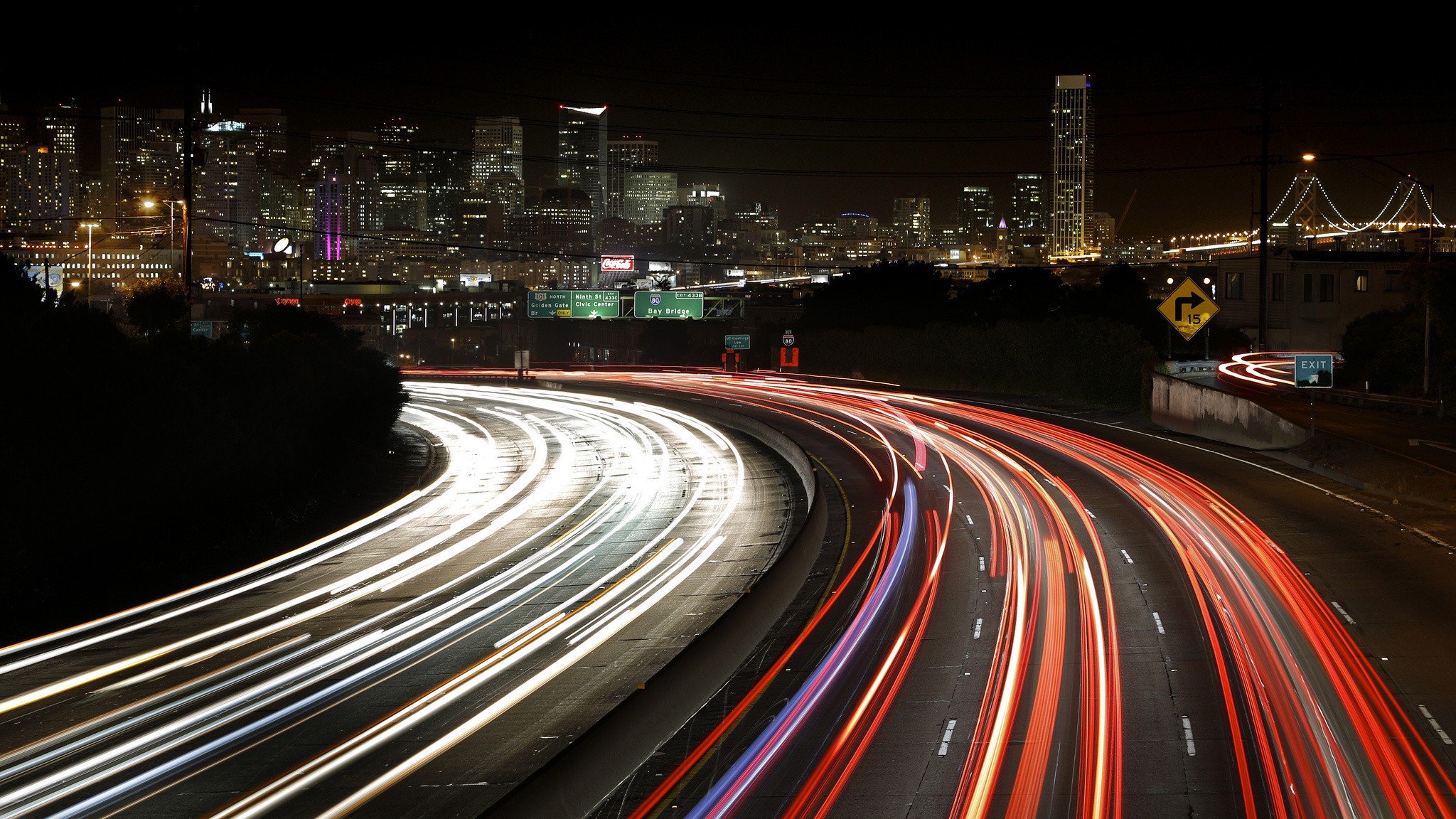
In our FFC, I’m becoming exposed to new realities as we’re analyzing video clips and articles with new viewpoints. For example, in a youtube clip titled, “A Unique Perspective”, I noticed the music was mysterious and the shots of the city were extremely modern. Instead of fantasizing about how expansive and futuristic california looks, we instead talked about how everything was moving at an intense speed; yet, no humans were present throughout the video, which was somewhat dehumanizing. The absence of people made it seem that we are almost unimportant and irrelevant to the city itself.

In Reyner Banham’s Excerpts from “The Architecture of Four Ecologies”, studied in class, he touched upon the idea that the buildings in California were not made out of stone to stick. Instead, they are flashy, cheap, empty, with no specific style. When exploring a city with such depth, it’s essential to look at the city as a whole: the good, the bad, and everything in between.

Image result for california highways at night

 I truly believe there is nothing wrong with believing in the dreamy, magical paradise that Los Angeles is portrayed as, but it’s just as important to recognize the other less spoken about parts that also make California for what it is today. 
Design a site like this with WordPress.com
Get started